
A home is more than just bricks, walls, and a roof it is where memories are created, families grow, festivals are celebrated, and life’s most meaningful moments unfold. For many of us, owning a home represents years of sacrifice, hard work, and financial commitment. Yet, in the eyes of the modern financial system, a home is often reduced to a very different identity: a collateral asset, a risk profile, or simply another entry on a balance sheet.
Recently, a bold and thought-provoking concept known as the Global Home Theory has captured national attention and sparked conversations across the financial and housing sectors. At the heart of this theory lies a simple but powerful question: What if homes were no longer treated merely as financial assets, but recognized first and foremost as an essential human necessity?
For those who closely follow developments in housing and finance, the theory offers a refreshing perspective. At the same time, it raises important questions about how the future of homeownership and mortgage lending could evolve, particularly in a country like India where housing remains one of the most significant aspirations for millions.

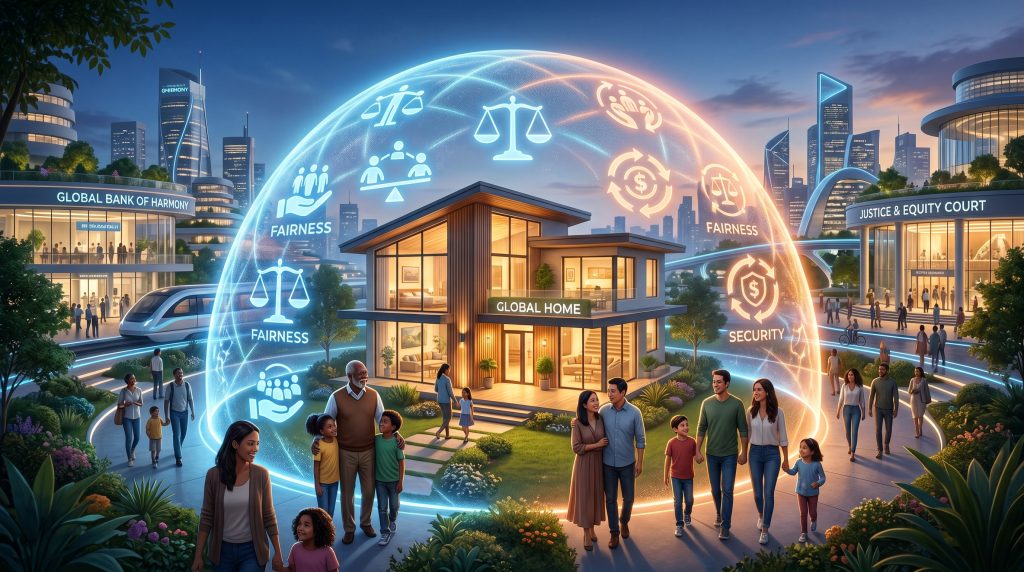
The Global Home Theory proposes a framework built around ethical and equity-based mortgage lending. Rather than relying solely on rigid financial mechanisms, it advocates for a more balanced approach that acknowledges the human realities behind every home loan. Recently highlighted in national media as a potential response to growing borrower distress and foreclosure concerns, the theory is built upon three key pillars.
The first pillar is EMI Relief During Hardships. Life is unpredictable job losses, medical emergencies, and economic downturns can affect even the most responsible borrowers. Under current systems, missed EMIs often trigger penalties, recovery actions, and legal notices. The Global Home Theory proposes built-in temporary relief measures during verified personal hardships, providing borrowers with breathing room so that a difficult period does not jeopardize a lifetime investment.
The second pillar is Equity-Based Protection. Consider a homeowner who has diligently paid loan installments for over a decade and has already repaid a significant portion of the loan. If an unexpected crisis leads to default, existing systems can result in the loss of both the property and much of the equity accumulated over the years. The theory argues that the ownership equity built through years of repayments should be legally recognized and protected, rather than being effectively erased through foreclosure proceedings.
The third pillar is Judicial Oversight Before Foreclosure. In many cases, lenders possess substantial authority when initiating property seizures. The Global Home Theory advocates for mandatory judicial review before a family can lose its home. A judge would examine the borrower’s circumstances, payment history, and available alternatives before determining whether foreclosure is truly the last and only viable option.
From a broader perspective, the Global Home Theory highlights what many believe is a fundamental imbalance within modern lending systems. Financial institutions play a vital role in providing access to housing, but the emotional, social, and human value of a home often receives far less consideration than financial metrics. A framework that seeks to protect families from losing their shelter during genuine hardship is, understandably, gaining public attention.
At the same time, the theory invites legitimate debate. If lenders face greater restrictions in recovering loans or enforcing collateral rights, could that reduce the availability of mortgage financing? Might banks respond by tightening lending criteria or increasing borrowing costs, making homeownership even more difficult for middle-class families? These concerns underscore the challenge of balancing compassion with financial sustainability.
As discussions surrounding the Global Home Theory continue to grow, its implications could influence how future generations access and finance housing. Whether viewed as a necessary reform or an ambitious ideal, the theory has undoubtedly opened an important conversation about the relationship between homeownership, financial responsibility, and social protection.
What do you think? Should financial institutions be legally required to provide temporary EMI relief during genuine personal crises? Should borrower equity receive stronger legal protection during foreclosure proceedings? Or do you believe such measures could weaken the lending system and ultimately make home loans more difficult to obtain?
The conversation is only beginning, and perspectives from homeowners, borrowers, financial professionals, and policymakers alike will play an important role in shaping its future.